I have had dentures for about ten years and I finally have dental insurance. Is it possible for me to get dental implants at this time? I do have some periodontal disease which did cost me my teeth to begin with. What do I do?
Luke
Dear Luke,
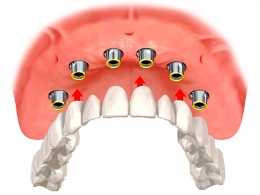
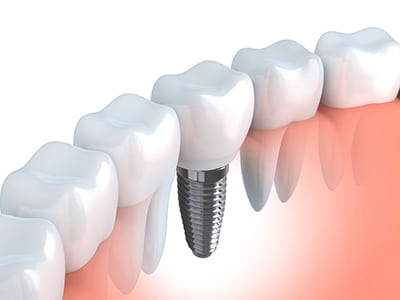
Dental implants are always a good idea. They are far superior to dentures. Even the best fitting dentures will reduce your chewing capacity by 50%, but the worst side-effect is the facial collapse that will result the longer you live with dentures. Once your teeth were removed, your body recognizes that and immediately starts to resorb the minerals in your jawbone. It does this in an effort to be as efficient as possible with your body’s resources.
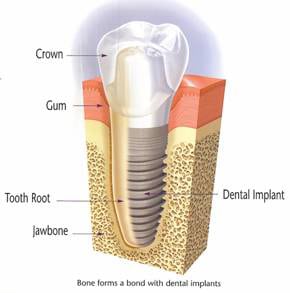
Realizing you don’t need the bone to support teeth, it wants to use those minerals somewhere they will be more useful to you. It is a wonderful way of using your body’s resources. The downside, though, is after a number of years you have lost so much bone that you are not even able to keep your dentures in any more. Having dental implants placed signals to your body that there are still teeth there and because of that it will leave the minerals of your jawbone in place. This protects you from facial collapse.
Generally, if you are in good general health you are a candidate for dental implants. In your case, there are two things you will need to deal with before moving forward. The first is your gum disease. If it was severe enough that you were losing teeth. You don’t want to lose your new dental implants. So, step one to getting dental implants is to have your gum disease treated.
Second, the gum disease combined with the length of time you were in dentures means you probably have a significant amount of bone loss. Once your gums are healed, the second fix will be to get bone grafting done. This will build back up the bone you need in order to secure the dental implants.
This blog is brought to you by Hoffman Estates Dentist Dr. William Becker.
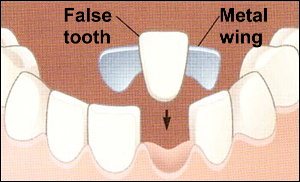
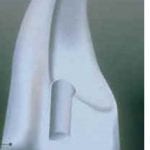 As you can see from the picture on the left, a groove will be cut into the tooth in order to help retain the wings.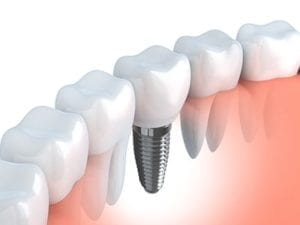

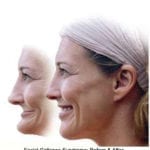 When your teeth were first removed, your body began to resorb the minerals in your jawbone to use elsewhere in your body where they will be more useful. Unfortunately, this has the unfortunate side-effect of slowly shrinking your jawbone. After ten years, it starts to get harder to properly fix your dentures. In twenty to thirty years you won’t have enough jawbone left to keep your dentures in. This is known as facial collapse.